Midjourney Interior Lighting: Saving a New York Living Room Before the Client Review
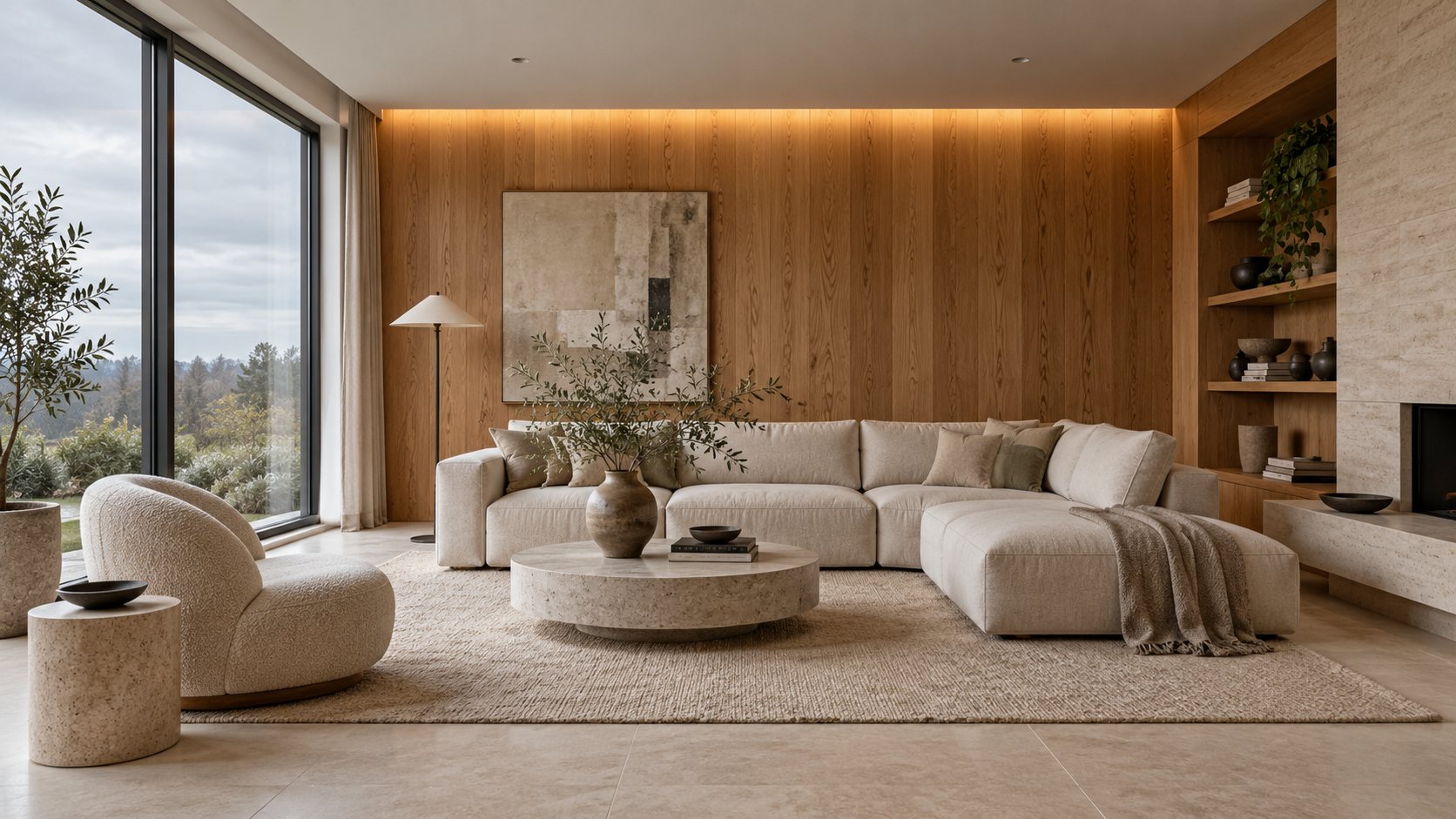
Seven minutes before the client review, the project lead sends one message: “Can you share the living-room option now?” I look at the New York apartment render instead of replying. The south-facing bay window is a white sheet, the recessed lights are all blazing, and the walnut floor reflects the sofa like a mirror. It reads more like a showroom than the brownstone living room we were trying to show.
My cursor hovers over Share. I have already tried adding “cozy,” “cinematic,” and “ultra-realistic.” Each new version has more glow and less of the room. The mistake is not that Midjourney needs a stronger mood word. I have not told it which light owns the scene.
Why the New York window took over the room
A large city window is a strong visual instruction by itself. If I ask for a sunlit living room, bright glass, several ceiling spots, and reflective wood, I have given Midjourney four competing highlights. It may turn the window white and treat every fixture as a second sun. “Warm lighting” does not tell it whether the warmth comes from late daylight, a table lamp, or a hidden strip.
I start by choosing the moment. For this brownstone, I want a cloudy late morning, not direct summer sun. The bay window gives the main light; one table lamp adds a small warm note; the recessed ceiling lights stay off. The walnut floor should be satin, not mirror-polished. Those decisions make the picture easier to steer than a string of adjectives.
Keep daylight and electric light in separate roles
I write each source as a small lighting plan: source, direction, target, and status. The window light comes from the south and spreads across the rug. A low table lamp warms one corner. If I use a concealed LED, I say which wall it grazes. I avoid asking every fixture to be both bright and atmospheric.
When the window still blows out, I soften the weather before shrinking the window. “Soft overcast daylight” keeps the city apartment bright without turning the glass into a white panel. If the floor shines too much, I change only the finish to matte or satin. I do not rewrite the furniture and camera at the same time, because then I cannot tell which change helped.
Run a useful A/B test before the meeting
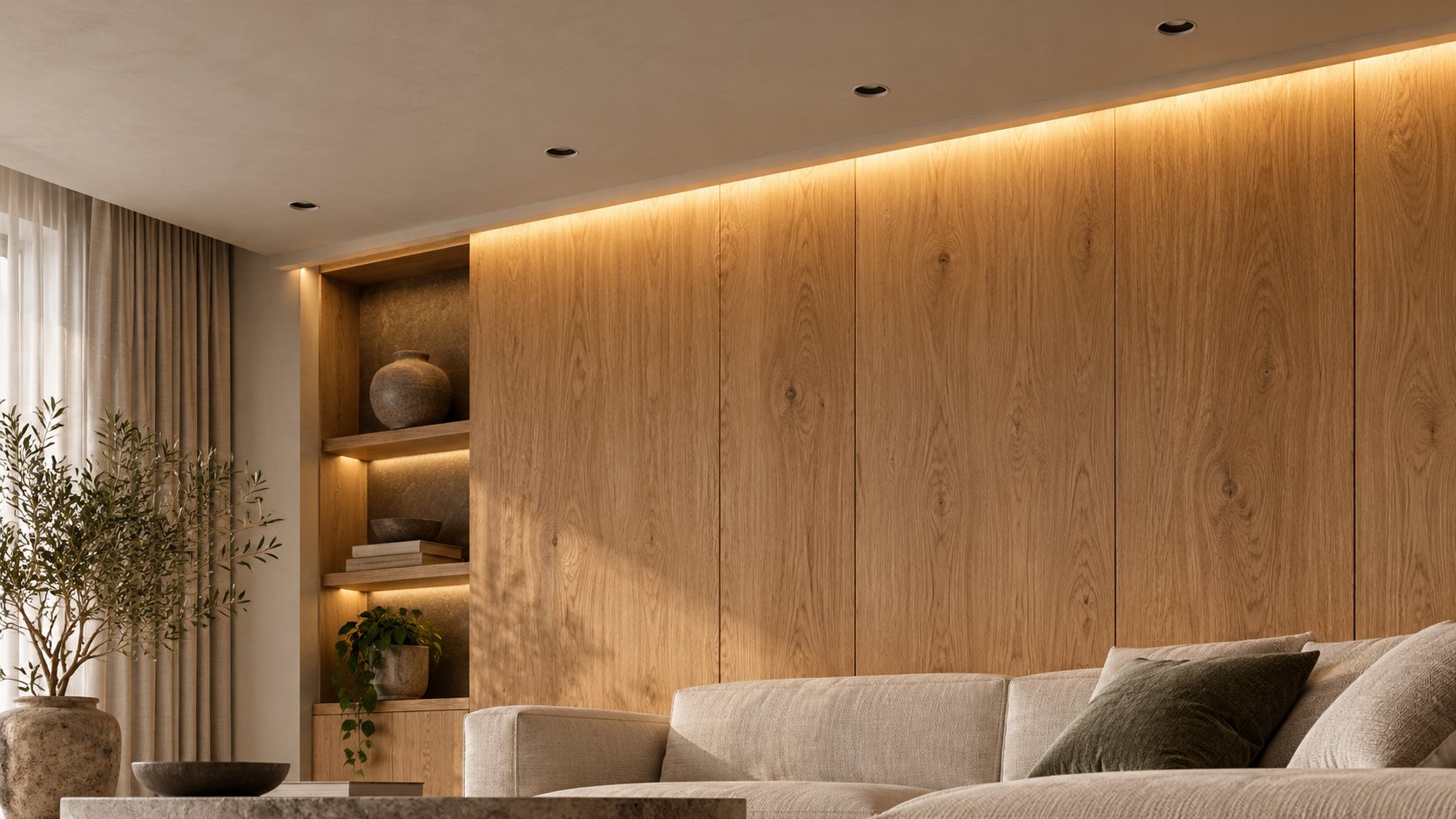
Version A says “warm, cozy living room.” Version B keeps the same brownstone, bay window, rug, and eye-level camera but gives the light specific jobs: cloudy daylight through the bay window, table lamp as a small accent, ceiling spots off, walnut with a satin finish. I compare the window detail, the shadow under the coffee table, and the floor reflection.
One change per pass matters under deadline pressure. If I change the time of day, lens, furniture, and light fixtures together, I get a new image but no useful answer. I keep a short note beside each variation: what I changed and what became better or worse. The model can vary between generations; the comparison still shows which prompt direction is more promising.
A prompt for a bright city apartment
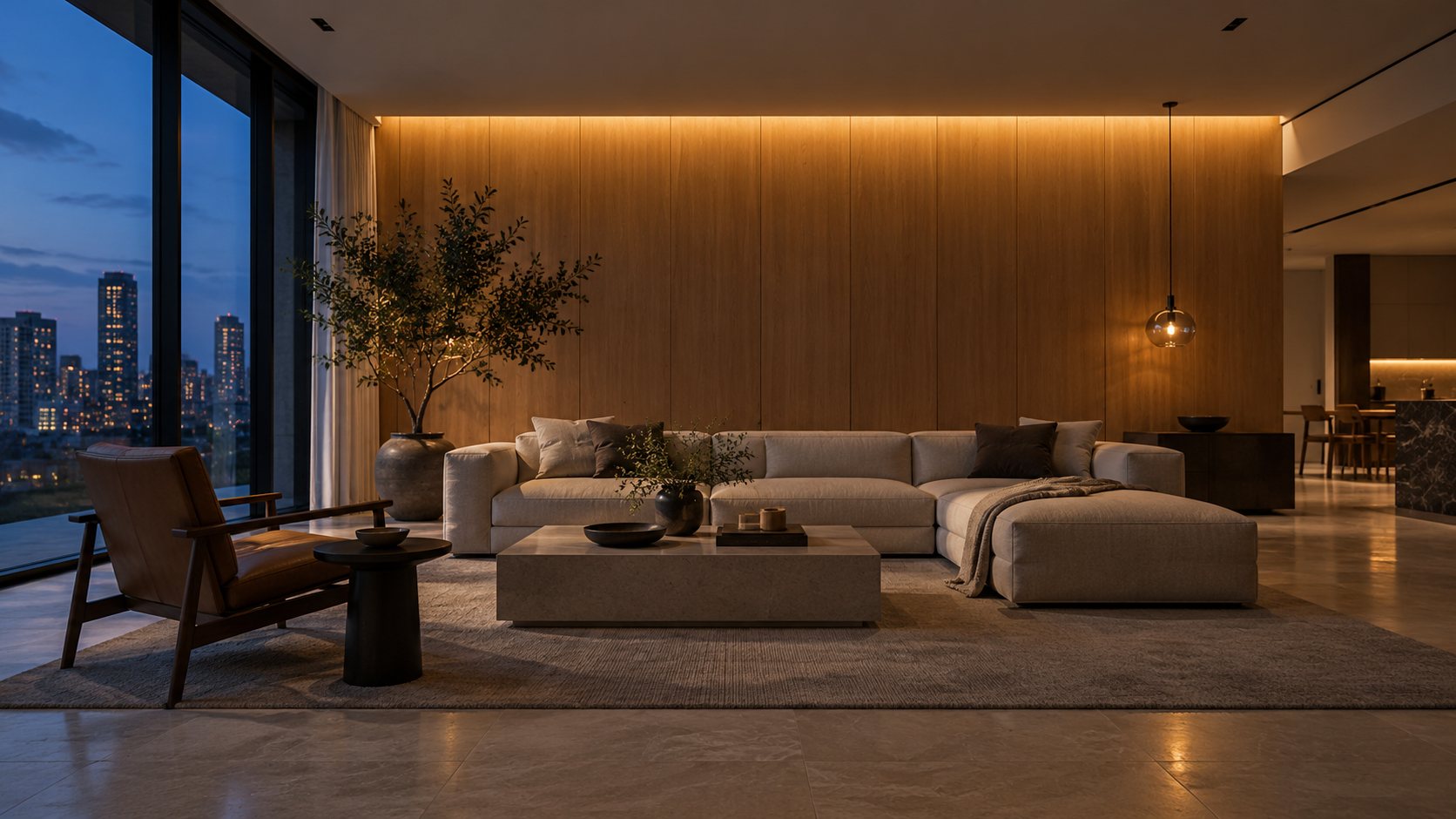
This prompt gives daylight the lead and keeps electric fixtures in supporting roles. Replace the window orientation and room details to match the actual apartment.
photorealistic New York brownstone living room, eye-level wide view,
soft overcast daylight through a south-facing bay window,
one warm table lamp as a subtle accent,
recessed ceiling lights switched off,
walnut floor with a satin finish, restrained reflections,
natural soft shadows, balanced interior exposure
--ar 16:9 --style raw
“Bay window” identifies the architectural feature. “Soft overcast daylight” limits harsh contrast; it does not promise a particular exposure value. “Recessed ceiling lights switched off” removes a competing source. The satin floor finish reduces the chance of a mirror-like reflection, though Midjourney may interpret surface words differently each time.
I can add —ar 16:9 when I need a horizontal composition. Parameters such as —style raw and seeds depend on version and settings, so I treat them as controls to test rather than guarantees. A prompt is a visual exploration tool, not a replacement for a lighting plan or electrical review.
My five-minute correction order
Before I hit Share, I check the image in this order:
- What is the main source: window, pendant, or lamp?
- Which ceiling fixtures should be off?
- Where should the secondary light land?
- Is a surface reflecting more than the scene calls for?
- Can I change one phrase while keeping the room and camera fixed?
Seven minutes earlier I was about to send a glowing showroom. The useful fix was smaller: let the bay window lead, switch off the ceiling spots, and tone down the floor reflection. Once each source had one job, I could share a room that looked like a place someone might actually live.
Takeaway: In a bright city interior, control the window and reflections before adding more light words.